
Let me describe a day in the life of a travel agent in Kampala. It is not hypothetical. I have watched this day play out at seven different agencies.
The Morning Rush
The agent arrives at 8 AM and opens WhatsApp. There are 47 unread messages from overnight. Twelve are asking about flights to Khartoum. Eight want to know about visa requirements for Turkey. Six are following up on bookings they requested yesterday. Five are price inquiries for group travel. The rest are a mix of thank-you messages, complaints, and people who sent a single question mark because they did not get a reply fast enough.
The agent starts responding. The Khartoum flight question gets the same answer twelve times. The visa information is a paragraph they have typed so many times they could do it in their sleep. By the time they get through the backlog, it is 10 AM and twenty new messages have arrived.
The Lost Leads
Here is what happens between 10 PM and 8 AM while the agent sleeps. A customer searches for flights to Dubai, finds the agency on social media, and sends a WhatsApp message at 11 PM. They do not get a response. By morning, they have already booked with a competitor who happened to respond faster.
This happens every single night. How many leads? Nobody knows because nobody is tracking it. There is no record of who messaged, when they messaged, or what they asked for. If the agent does not remember seeing the message, the lead simply disappears.
The Follow-Up Problem
A customer asks for a fare quote on Monday. The agent sends prices and says they will follow up on Wednesday. Wednesday comes and the agent has 60 new messages to deal with. The follow-up gets forgotten. The customer books elsewhere and never says anything because they assume the agent is just not interested.
There is no system to flag which customers need follow-up. There is no reminder. There is no dashboard showing open inquiries. Everything depends on the agent's memory and their ability to scroll through hundreds of WhatsApp conversations and spot the ones that need attention.
What Changes with Automation
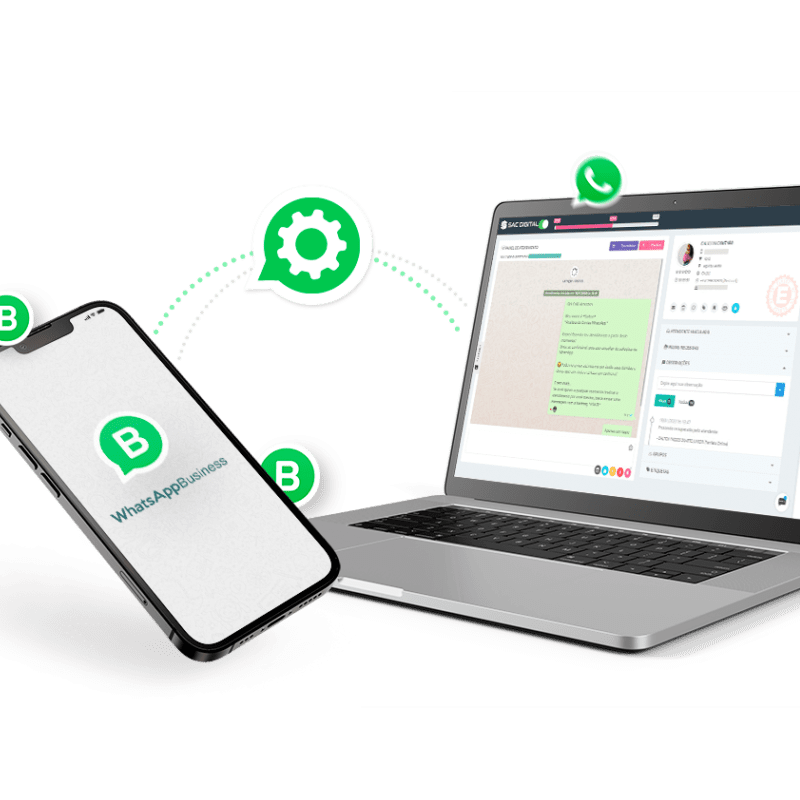
Now picture the same agency with WhatsApp automation in place.
The 11 PM customer gets an instant response: here are the routes we serve to Dubai, here are current fares, and a human agent will be in touch first thing tomorrow to finalize your booking. The lead is captured. The agent sees it as a priority first thing in the morning.
The twelve Khartoum flight questions get automated responses with accurate fare information. The agent spends zero time on them unless a customer has a follow-up that requires human judgment.
The follow-up reminders are automatic. On Wednesday, the system flags every customer who was promised a follow-up. Nothing gets forgotten because it is not dependent on memory.
At the end of the day, the agent has a dashboard showing: 63 inquiries handled, 18 new leads captured, 7 follow-ups completed, 4 bookings confirmed. Not because they worked harder, but because the repetitive work was automated and the important work was surfaced.
The agents who adopt automation first will capture the customers that slower agencies lose every night.
This is what we built Novinect to do. Not to replace travel agents, but to make them faster, more responsive, and more organized.