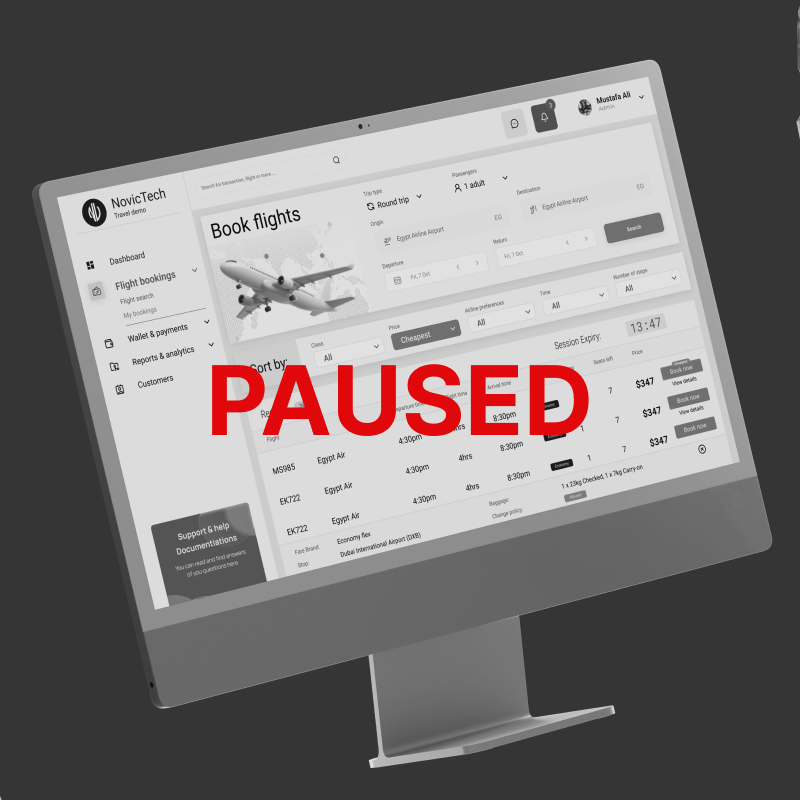
In July, we said we would put Novic Flights in front of real agencies. We did. Over the course of September, seven travel agencies in Kampala tested our booking tool with their real operations: AlFashir, Tigerland, Maahasa, Nahar, Taj Sultan, Bemacy, and AlFadil.
Here is what happened.
The Testing Process
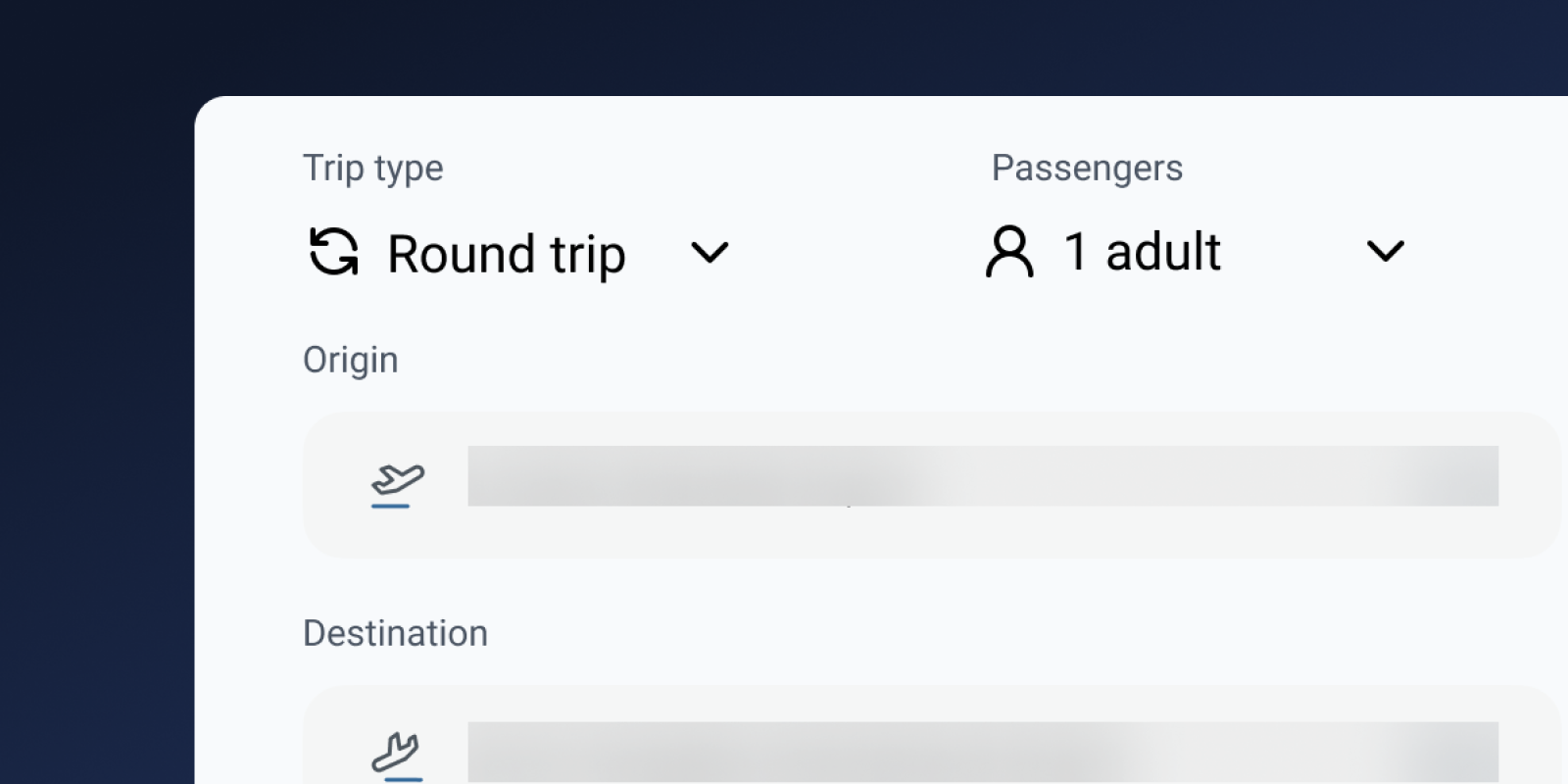
We did not send these agencies a login link and walk away. Each agency got a personal onboarding session. We sat with agents, walked them through the system, and watched them use it. The reactions were immediate — agents found the system easy to use and genuinely fascinating. The fare search, the booking tracker, the clean interface — it clicked with them quickly.
But we were not there to collect compliments. We were there to learn how agencies actually work.
What We Saw in the Room
When we were sitting with agents, they used the system confidently. They navigated the fare search, pulled up routes, tracked bookings. The feedback was consistent: this is clean, this is easy, this makes sense.
The real insight came from watching what happened around the system. These agencies were not looking for one tool to replace everything. They were already operating across multiple systems — WhatsApp for customer communication, phone calls to consolidators, browser tabs for different carriers, notebooks for tracking. Their workflow was distributed by nature, and they were comfortable with that.
What they wanted was not a single system that does everything. They wanted tools that fit into the way they already work — tools that handle specific problems well and coexist with everything else they use.
The Real Discovery
This changed how we think about building products for this market. We had walked in with a common tech assumption: build the all-in-one platform, get agencies to switch to it, replace their fragmented workflow with a unified system.
The agencies taught us something different. They do not want to abandon their existing setup. They want better tools that slot into it.
Every agency told us the same thing without us asking: whatever you build, it needs to connect to WhatsApp.
WhatsApp is not a communication channel for East African businesses — it is the operating system.
What the Agencies Told Us
The agents were direct. They appreciated Novic Flights. They said they would use it alongside their existing tools. They were willing to work with us and several expressed interest in continuing as the product developed.
But they also told us what they needed most urgently, and it was not a booking system. It was help managing the flood of WhatsApp messages that consumed their days. The fare search saved them time, but the WhatsApp problem was costing them customers every single night while they slept.
Three Lessons That Changed Everything
- Do not build to replace. Build to complement. Agencies operate across multiple tools and they are fine with that. The winning product is the one that does its job so well that it earns a permanent place in the workflow — not the one that demands you throw everything else away.
- Solve the most painful problem first. Novic Flights was useful. WhatsApp automation was urgent. There is a difference between a product people appreciate and a product people cannot live without. We needed to build the second one.
- Speed and simplicity beat features every time. Agents did not care about having 50 options on a screen. They wanted to search a fare and get a result in under 5 seconds. In their world, a customer is waiting on the phone while they search. Every second counts.
These seven agencies did not just test our product. They taught us how to build for this market. When I tell you later in this story why we shifted direction, it started here — not because Novic Flights failed, but because seven agencies showed us where the real urgency was.